So, I was thinking about how chaotic the Solana ecosystem feels sometimes when you’re juggling staking, NFTs, and trying not to lose your keys. Honestly, it’s like this wild west digital frontier where every decision can either boost your crypto game or leave you scratching your head. Wow! The more I dive into validator selection and wallet security, the more I realize how much subtlety goes into these choices — and how easily people overlook them. Here’s the thing: it’s not just about picking any validator or storing your NFTs anywhere. The stakes are high, and some of the most common practices out there just don’t cut it anymore.
Validators, for starters, aren’t all created equal. I mean, sure, you can just delegate to a random validator with good APR stats, but that feels like walking into a casino blindfolded. Something felt off about the shiny returns that some validators promise; my gut said there’s more beneath the surface. Actually, wait—let me rephrase that: it’s about trust and understanding the network’s health, not just chasing rewards. On one hand, you want a validator that’s reliable and well-connected, but on the other hand, you don’t want to put all your eggs in one basket, especially with Solana’s occasional network glitches.
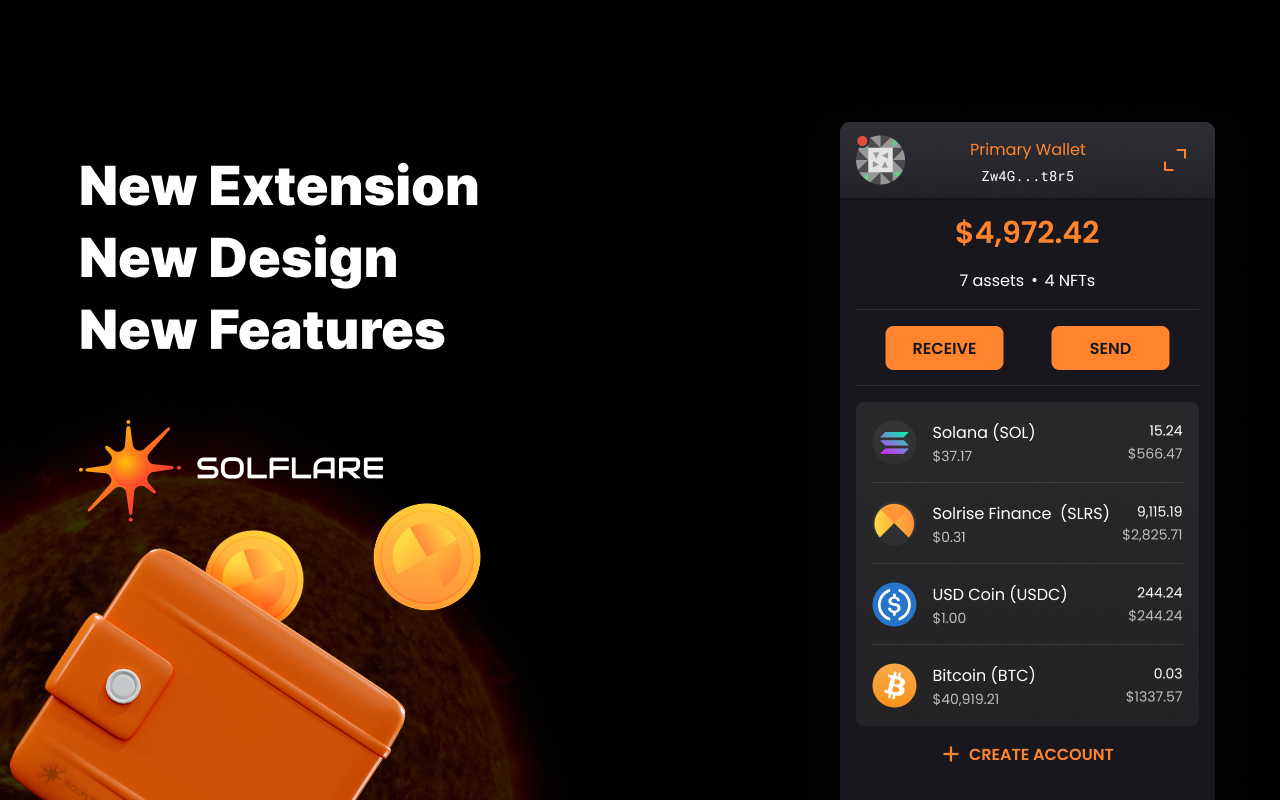
And then comes NFT management. Seriously? It’s like the wild child of crypto assets. Initially, I thought NFTs were just digital collectibles to flex on socials or maybe trade for quick flips. But then I realized managing them securely, especially on Solana, requires wallets that aren’t just user-friendly but also robust against phishing and hacks. That’s where the solflare wallet extension really steps in. It’s not just a fancy tool; it’s this gateway that merges staking, NFT access, and hardware wallet integration, all under one roof. I’m biased, but having used it for months now, it’s saved me from at least a couple of headaches.
Hardware wallets? Oh boy, that’s a whole different ballgame. I’ll be honest: I was slow to adopt them. Something about carrying around a tiny device felt cumbersome. But the more I learned about private key compromises, the more I saw hardware wallets as a no-brainer. The tricky part is integrating them smoothly with your Solana setup. It’s not plug-and-play for everyone. The solflare wallet extension makes this integration a lot smoother than I expected. That’s a game changer for anyone serious about security but still wants the convenience of staking and NFT management in one place.
Check this out—
Validator Selection: Beyond the Numbers
Let’s break it down. People often look at validators’ returns without considering uptime, commission rates, or community reputation. Really? Yeah, it’s easy to get seduced by a validator showing 8% APR when another is at 6%. But those extra 2% might come with higher downtime or questionable practices. Something I learned the hard way is to check for validators actively contributing to the network’s decentralization—not just the ones with the biggest stake pools.
Here’s a quick anecdote: I once delegated to a validator with flashy marketing but poor network participation. My rewards tanked, and switching validators took more time than I expected. The lesson? Spend time vetting validators beyond pure numbers. Read community forums, check Solana Beach or Solscan stats, and watch out for validators that are new or overly centralized.
Okay, so check this out—if you’re using the solflare wallet extension, it actually surfaces key validator metrics right in the UI. That’s incredibly helpful for making informed choices without hopping between multiple sites. It feels like they really get how important convenience is for the everyday user, while still supporting deep dives if you want them.
But here’s what bugs me about the whole validator ecosystem: there’s little incentive for average users to spread their stake around. People tend to delegate to a few big players, which ironically hurts decentralization. I wonder if future wallet tools might nudge users towards more distributed staking automatically—like a “smart delegate” feature that balances rewards with network health. That’d be something.
NFT Management: More Than Just Collecting
Now, NFTs on Solana are booming. But managing them? Hmm, it’s not as straightforward as some make it seem. Initially, I thought storing NFTs was as easy as keeping coins, but they need special care—especially if you want to showcase, trade, or stake them. The problem is many wallets treat NFTs as an afterthought. That’s a risky game.
Enter the solflare wallet extension. It handles NFTs elegantly, letting you browse, transfer, and even stake certain NFT collections without juggling multiple apps. I don’t know if it’s perfect, but for me, it’s the smoothest experience so far. Also, it supports hardware wallet integration, which means your NFTs aren’t just sitting on some vulnerable software wallet.
Here’s the kicker—NFT scams are on the rise. Fake projects, phishing sites, and compromised wallets. I’ve seen friends nearly fall for some of these. The best defense? Secure your assets in wallets that support hardware keys and double-check every contract you interact with. And, yes, keep an eye on your wallet’s extension permissions. I can’t stress that enough.
By the way, managing NFTs also means paying attention to how they’re displayed and organized. Some wallet extensions let you tag or categorize your assets, which is oddly satisfying when your collection grows. It might sound trivial, but trust me, when you have dozens of NFTs, this feature saves a lot of time and frustration.
Hardware Wallets: The Security Backbone
Hardware wallets are often touted as the gold standard for security, and they are. But integrating them with Solana isn’t always smooth sailing. Initially, I thought “plug it in and done,” but it took some fiddling to get the solflare wallet extension to recognize my hardware device properly. Once set up, though, it was like a fortress around my keys.
It’s very very important to remember that hardware wallets don’t just protect you from online hacks—they also save you from your own mistakes. Lost device? Seed phrases are your lifeline. But if you’re careless with those, well… that’s a whole other mess. I’m not 100% sure everyone using hardware wallets appreciates how critical backup strategies really are.
One small snag I ran into was lag during transaction signing. Sometimes the wallet extension would hang for a few seconds, making me think there was a bug. Nope, it’s just how the cryptographic handshake works. Patience is key here. Also, some hardware wallets have limited support for newer Solana programs, so compatibility checks are essential before you commit.
Overall, pairing a hardware wallet with a well-developed extension like the solflare wallet extension feels like the best compromise between security and convenience right now. It’s not perfect, but it’s definitely better than pure software wallets or browser-only solutions.
So yeah, the Solana world is evolving fast, and wallet tools need to keep pace with staking complexities, NFT craziness, and hardware integration challenges. I’m curious where it all heads next—maybe more automation, smarter validator recommendations, or tighter security layers. For now, using tools like the solflare wallet extension helps me sleep better at night, knowing I’m not just blindly trusting, but actively controlling my crypto destiny.
Frequently Asked Questions
Why should I care about validator selection?
Because validators affect your staking rewards and the overall health of the Solana network. Picking a reliable, decentralized validator ensures better uptime, fair commissions, and helps avoid centralization risks.
How do hardware wallets improve NFT security?
They store your private keys offline, making it much harder for hackers or malware to steal your NFTs or crypto assets. When paired with a wallet extension like solflare, you get seamless and secure access.
Is the solflare wallet extension easy to use for beginners?
Yes, it balances user-friendly interfaces with advanced features like staking and hardware wallet integration, making it a solid choice for both newcomers and experienced users.